Discover Tempura Matsui
Walking into Tempura Matsui for the first time felt less like entering a restaurant and more like being welcomed into a quiet Tokyo counter tucked inside Midtown Manhattan. Located at 222 E 39th St, New York, NY 10016, United States, the space is intimate, calm, and intentionally minimalist. I remember sitting at the counter, watching the chef move with almost meditative focus, and realizing quickly that this wasn’t going to be a rushed meal. It was an experience built around patience, precision, and respect for ingredients.
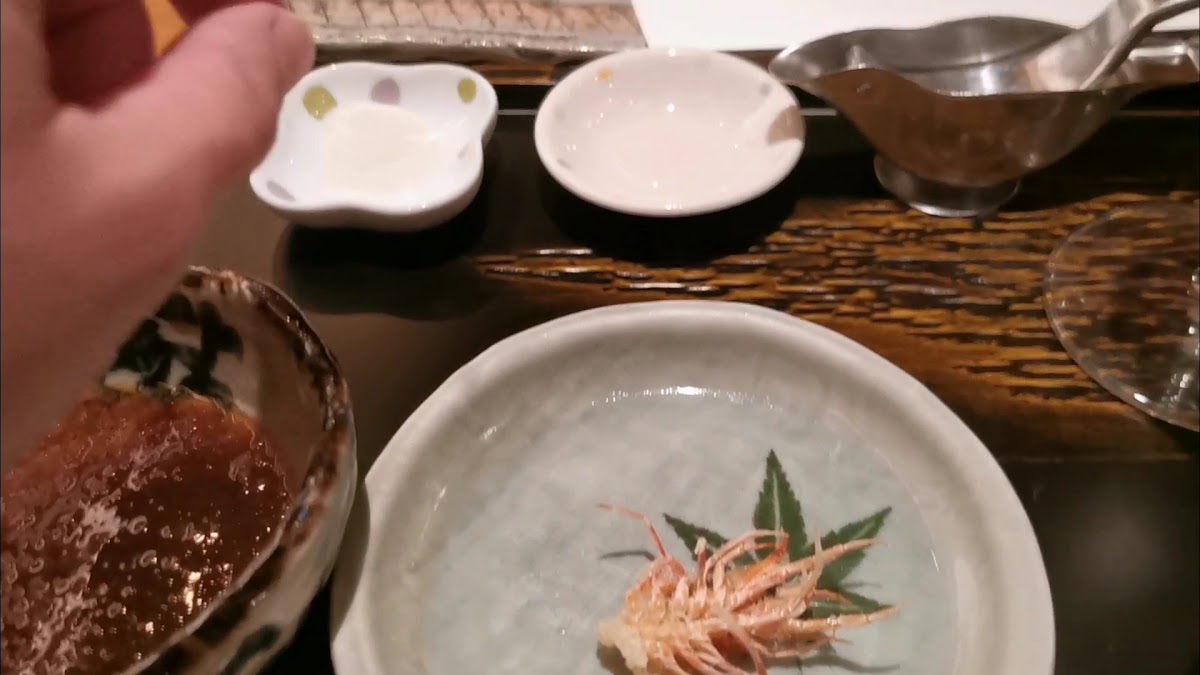
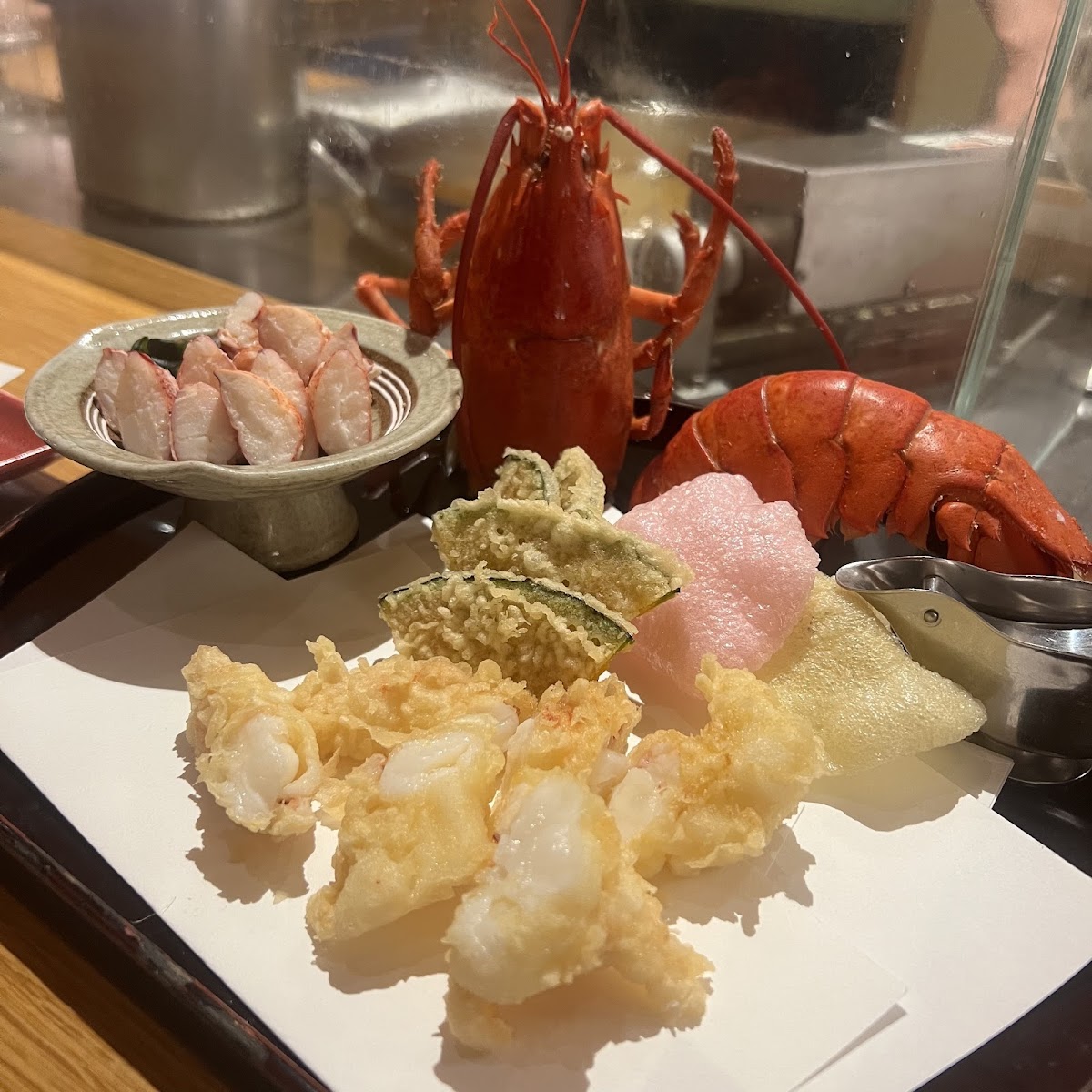
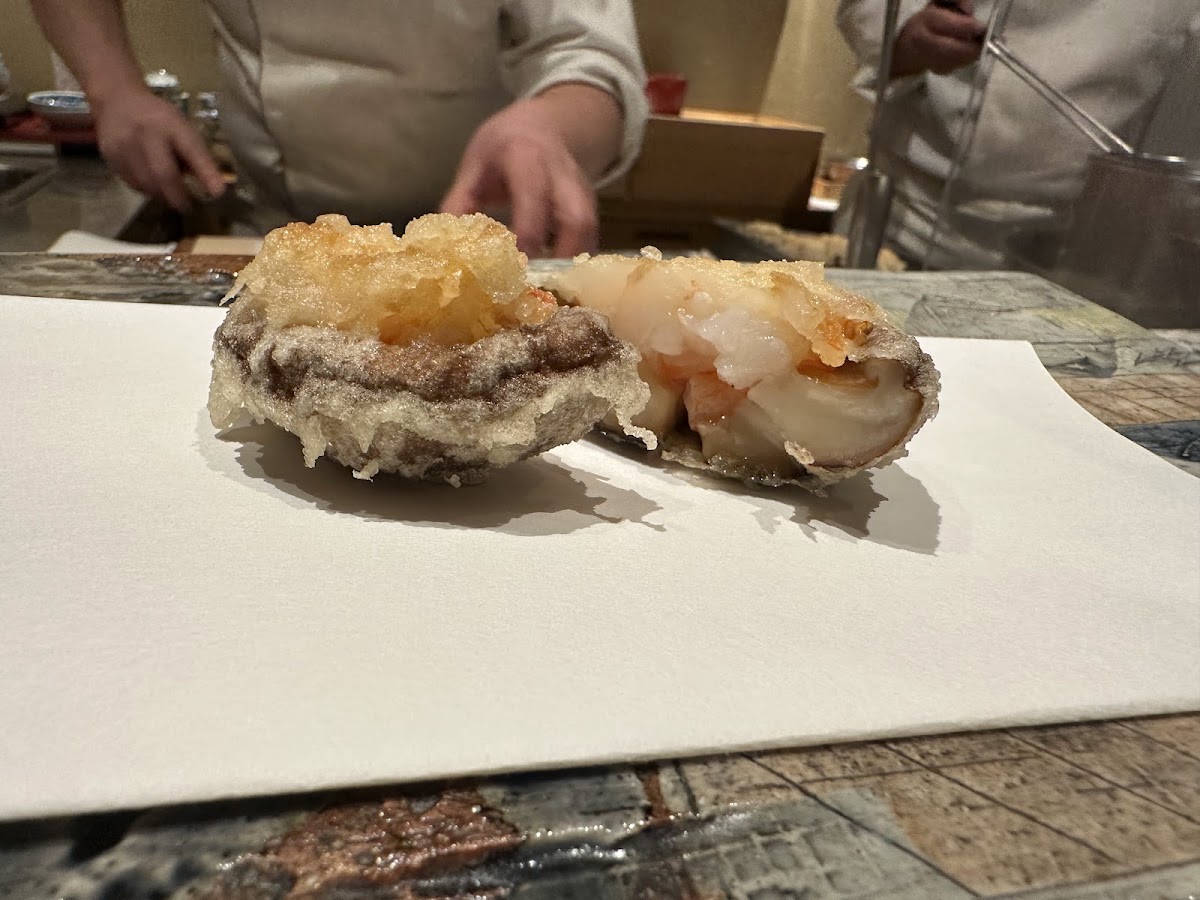
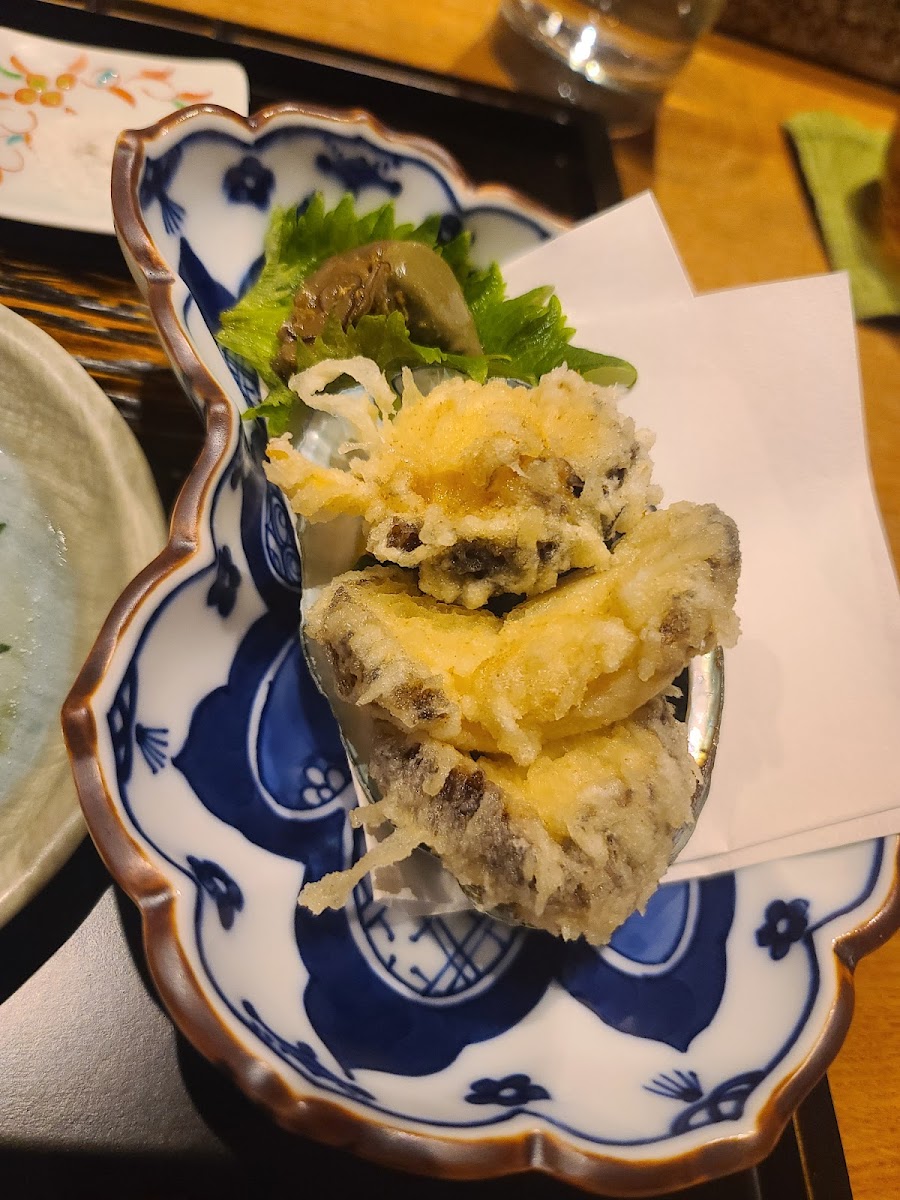
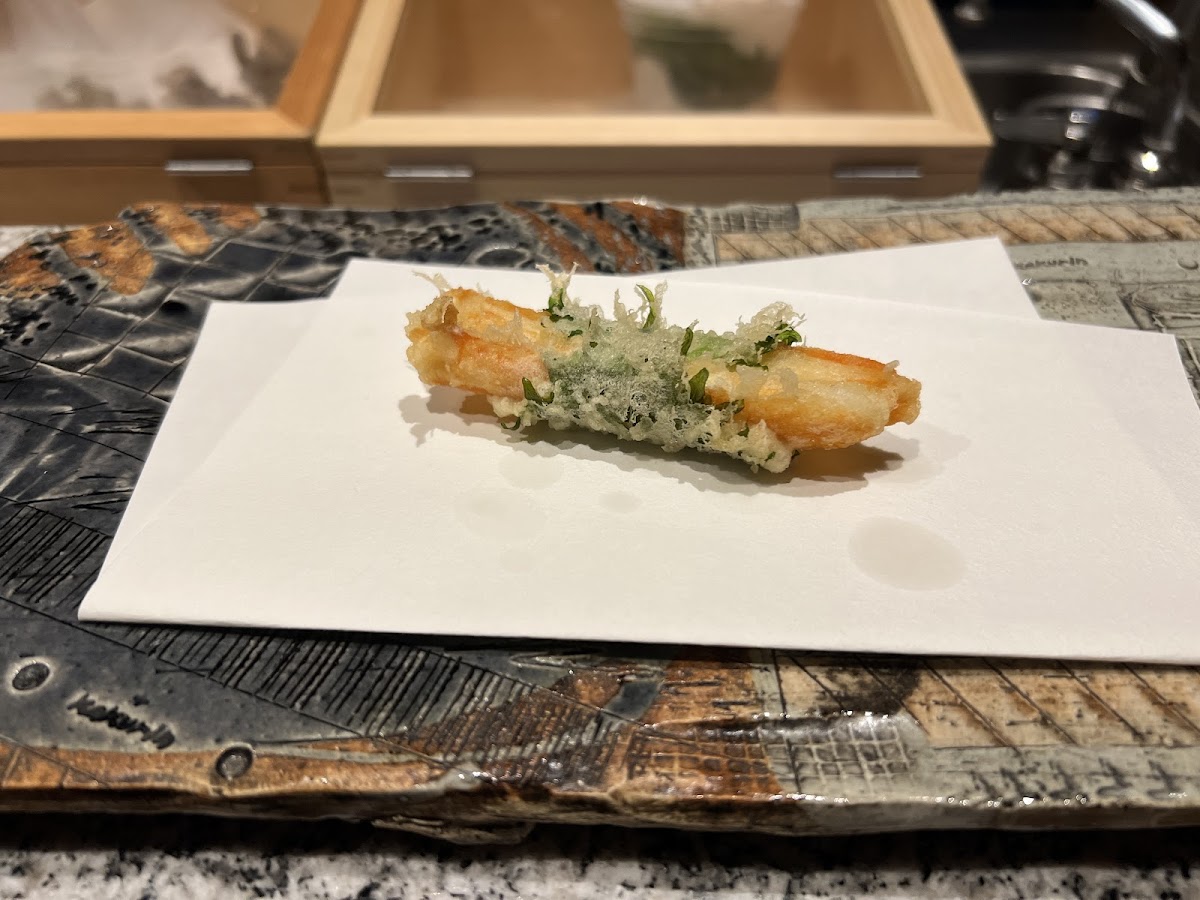
Tempura is often misunderstood outside Japan as heavy or greasy, but what happens here is the exact opposite. The batter is whisper-thin, the oil temperature tightly controlled, and each piece is fried for seconds, not minutes. I asked a server about the process, and she explained that the oil is maintained at a specific range to prevent absorption, a method backed by Japanese culinary research that shows proper tempura frying can reduce oil uptake by up to 30% compared to casual deep-frying. You can taste that difference immediately. The shrimp arrives crisp, light, and almost airy, while seasonal vegetables like kabocha squash or Japanese sweet potato retain their natural sweetness.
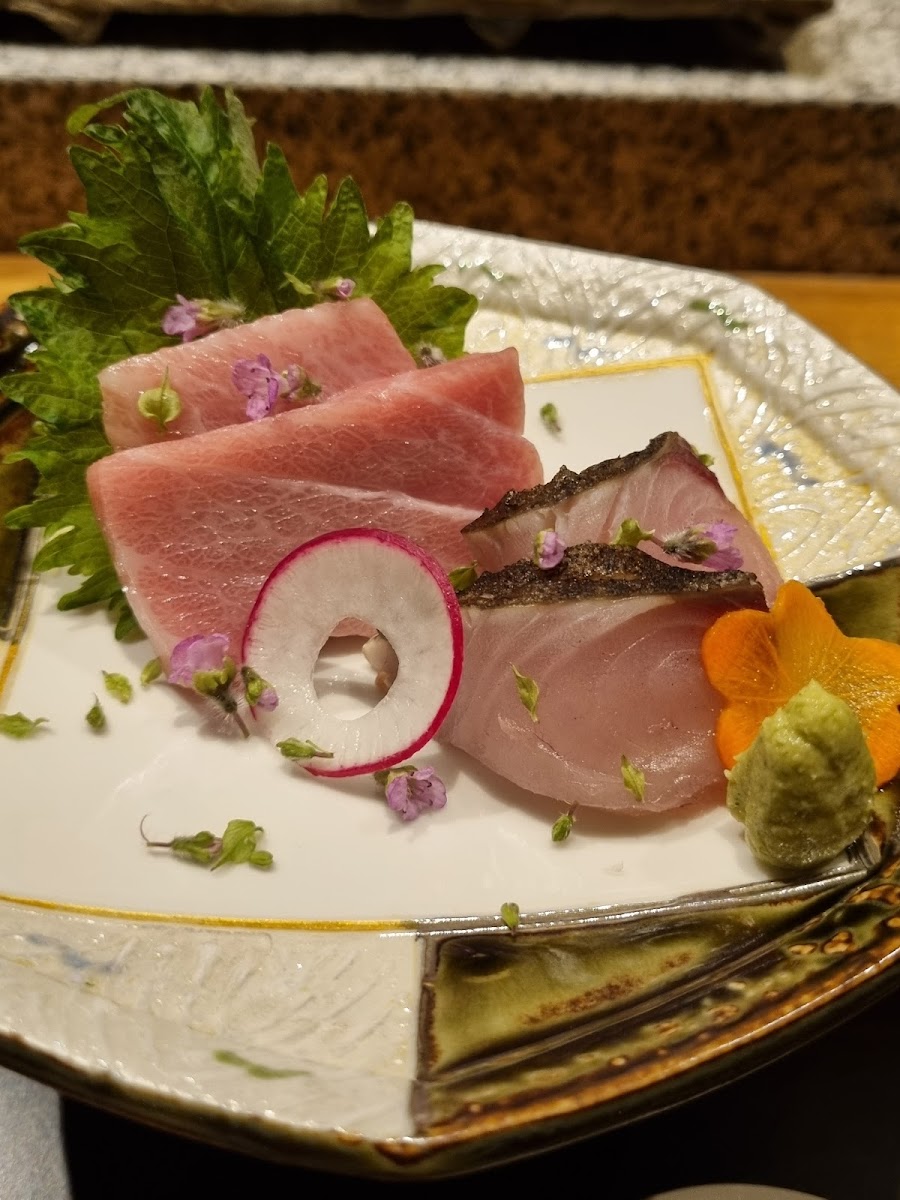
The menu is built around an omakase-style progression, which means the chef decides the order based on ingredient quality and timing. Having eaten here more than once, I noticed how the sequence changes slightly with the seasons. One visit featured delicate maitake mushrooms and silky eggplant; another highlighted anago eel that practically melted. This flexibility reflects a traditional Japanese approach taught by culinary institutions such as the Tokyo Sushi Academy, where ingredient seasonality is treated as non-negotiable rather than optional.
What stood out most during my visits was the chef’s quiet authority. There’s no theatrical flair, just confidence earned through repetition and training. Tempura chefs in Japan often spend years mastering batter consistency alone, and that level of discipline shows here. According to the Japanese Ministry of Agriculture, traditional tempura technique prioritizes texture contrast over flavor masking, which explains why dipping sauce is served sparingly and sometimes not at all. At the counter, the chef gently suggested trying a piece without sauce first, and it made sense-the ingredients were already complete.
Reviews from other diners echo this experience. Many mention how personal the service feels, even though interaction is minimal. You’re guided rather than entertained. That may not suit everyone, especially diners expecting large portions or quick turnover, but for those who appreciate craft, it’s refreshing. One limitation worth noting is accessibility: the seating is limited, reservations are essential, and the price point reflects the level of care involved. That said, the consistency across visits builds trust, which is why so many repeat customers return for anniversaries or quiet celebrations.
The drink selection complements the food without overshadowing it. A concise sake list focuses on clean, dry profiles that cut through fried textures, and the staff can explain each option clearly without overwhelming you. This balance between knowledge and approachability makes the experience feel welcoming rather than intimidating.
By the time the final course arrives-often a simple rice dish made with tempura crumbs and house broth-the meal feels complete, not heavy. It’s the kind of place that changes how you think about a familiar dish. Instead of leaving stuffed, you leave thoughtful, replaying textures and flavors in your head. In a city crowded with options, this diner-style counter quietly earns its reputation through discipline, restraint, and respect for tradition.